Ultra Rare Type
Ultra Rare Sarcoma e.V. is dedicated to the research, treatment, and education of rare sarcomas. In collaboration with the Serviceplan Group in Munich, we transformed the iconic cancer ribbon into a typeface family, making the invisible visible.
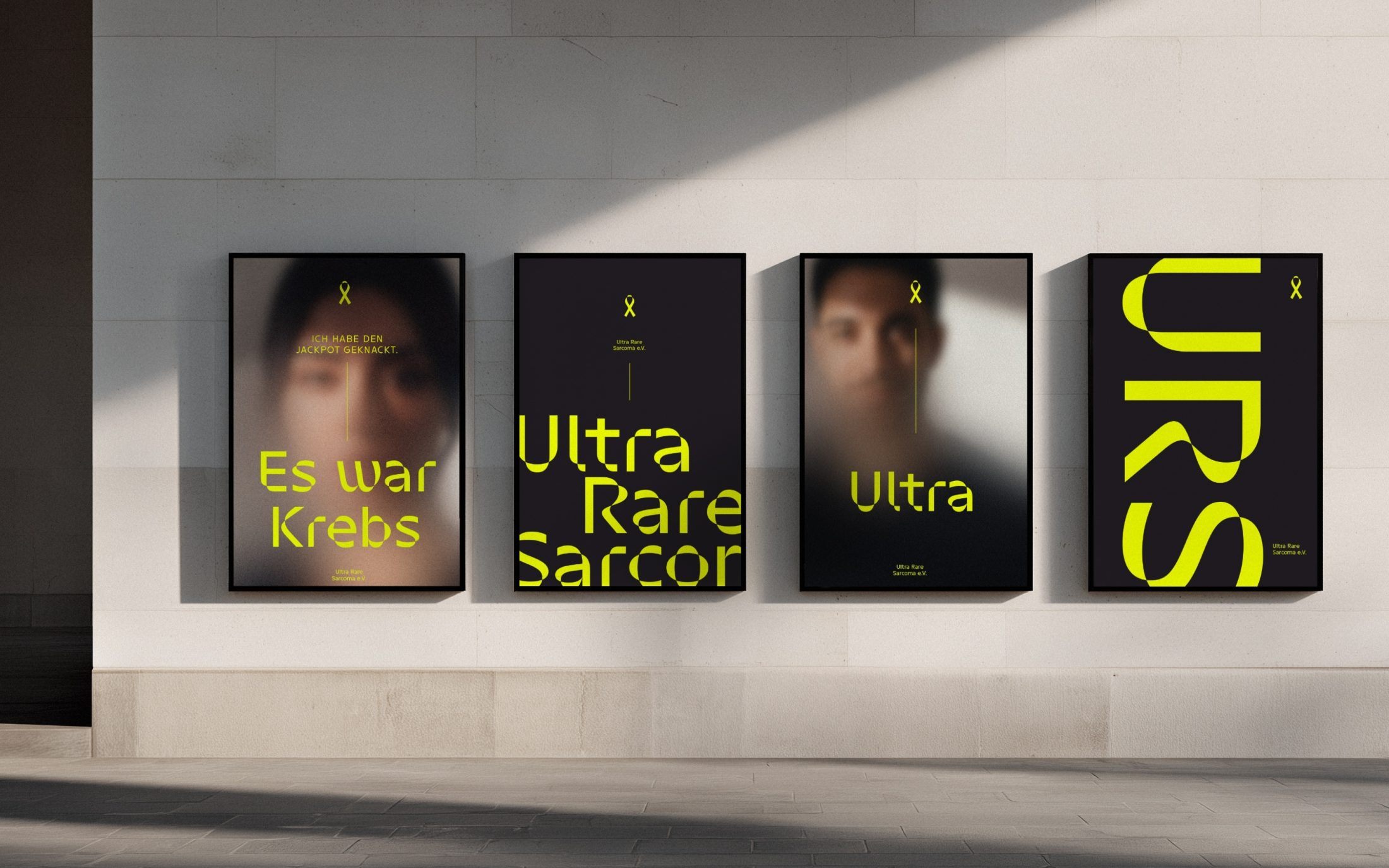
With fewer than one new case per million people, sarcomas are among the rarest forms of cancer worldwide. They are too rare for research, too rare for the pharmaceutical industry, and too rare to attract attention. To combat this isolation and give the disease a voice, Bastian Schwarz founded Ultra Rare Sarcoma e.V, with the aim of making the invisible visible.
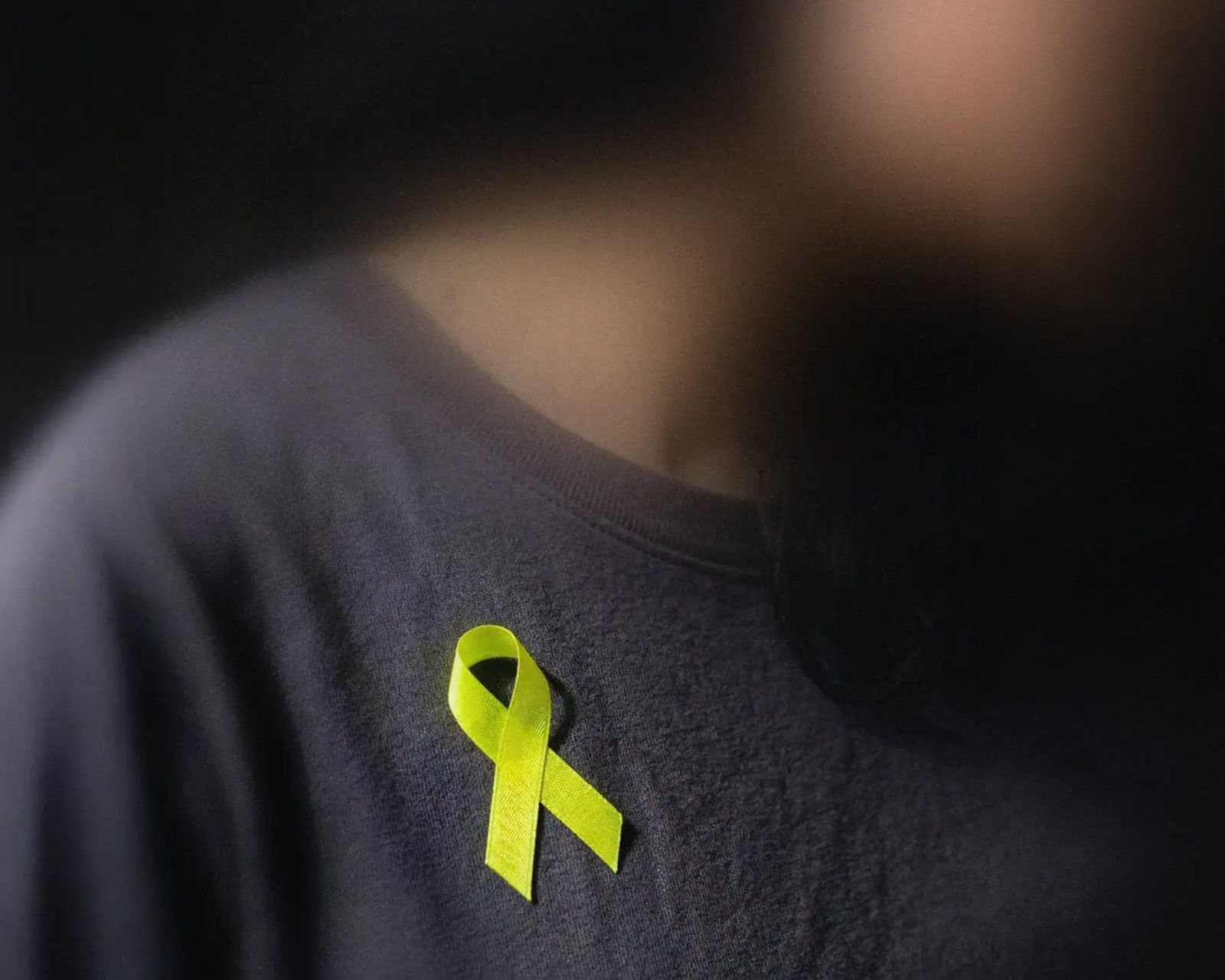
Symbol: The yellow ribbon is a symbol of cancer awareness around the world.
Form: The iconic curve gets used as a graphic foundation.
Fusion: The symbol becomes language and the ribbon transforms into typography.
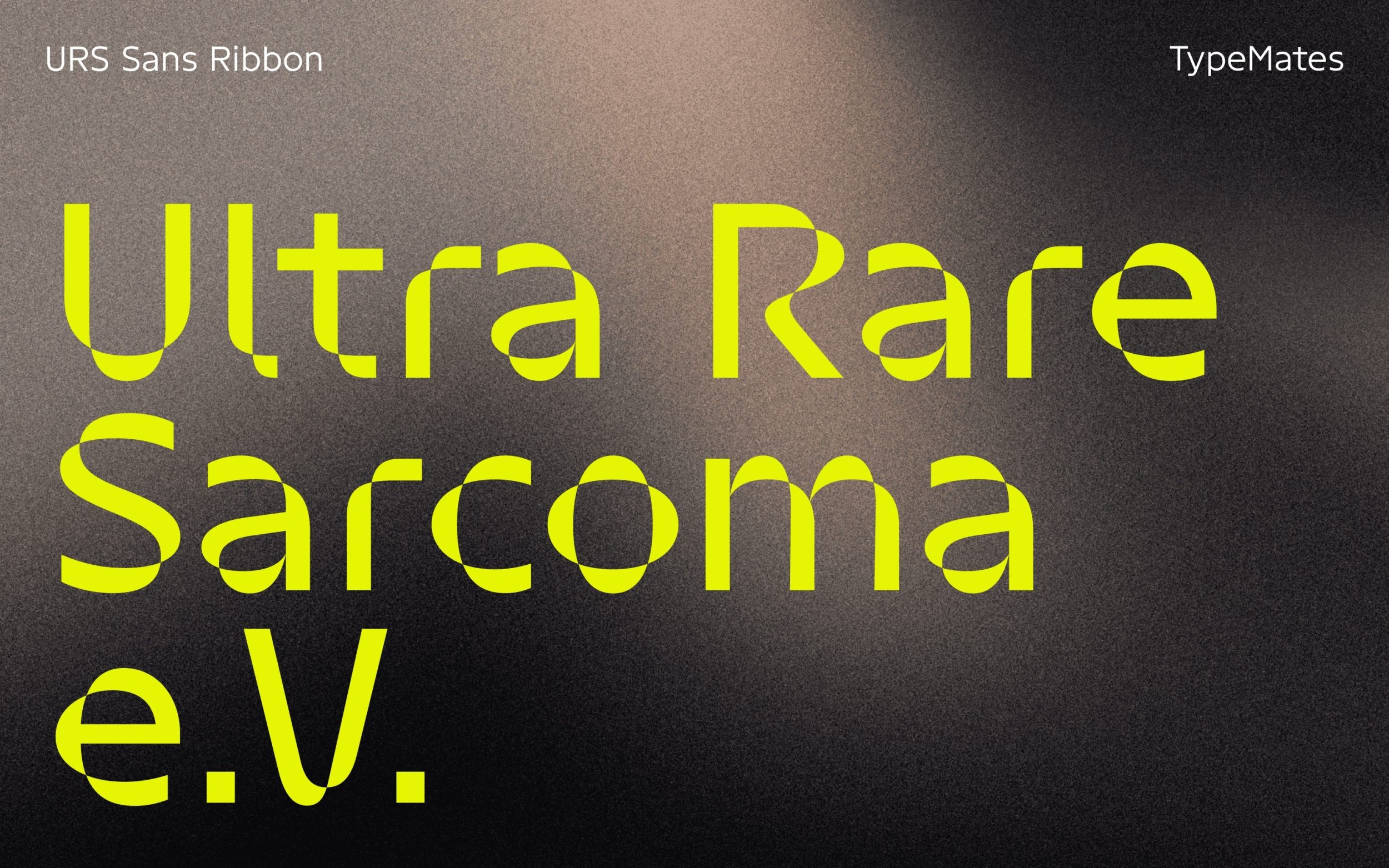
Result: Invisibility becomes impossible to miss.
Although the yellow ribbon is the official symbol, it, like the disease itself, still receives too little attention. This is why Akim Sämmer and Jörg Schmitt at Serviceplan transformed the graphic symbol into a typographic system. The ribbon has become a distinct typographic element of the corporate design, and is now more than just a symbol. It gives a voice to those affected and their loved ones, while also connecting them to a supportive community. In this way, the symbol becomes a central element of all communication.
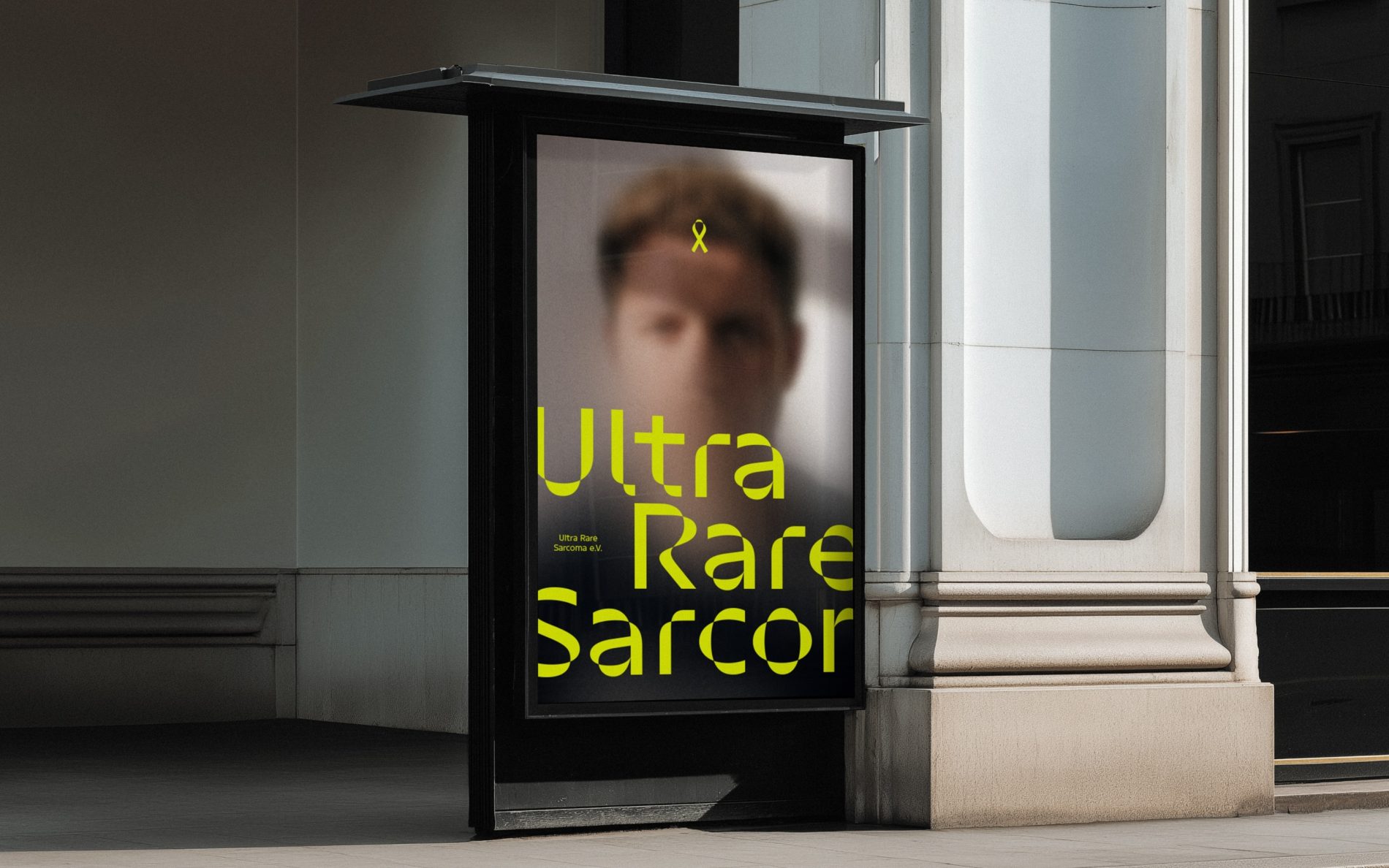
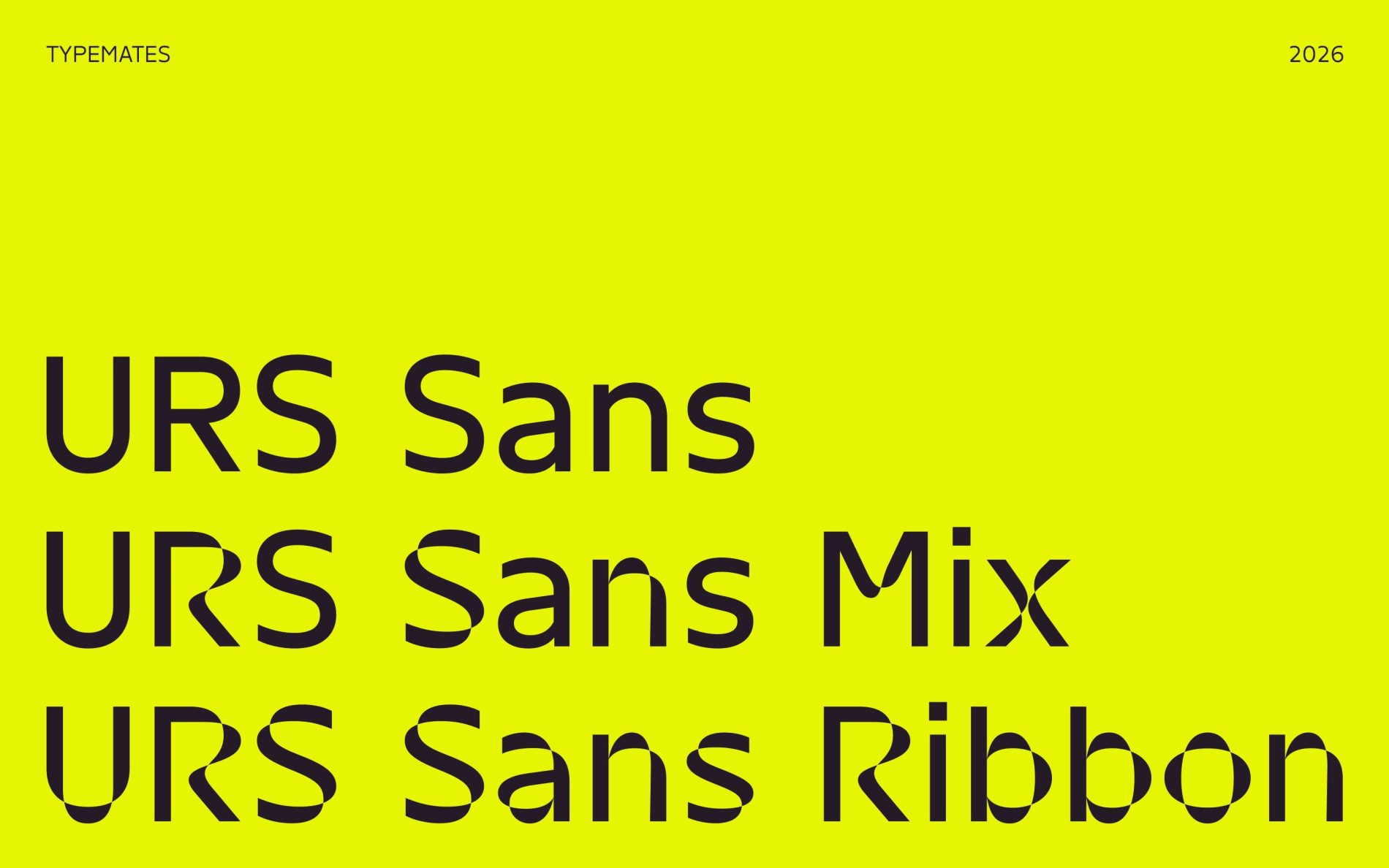
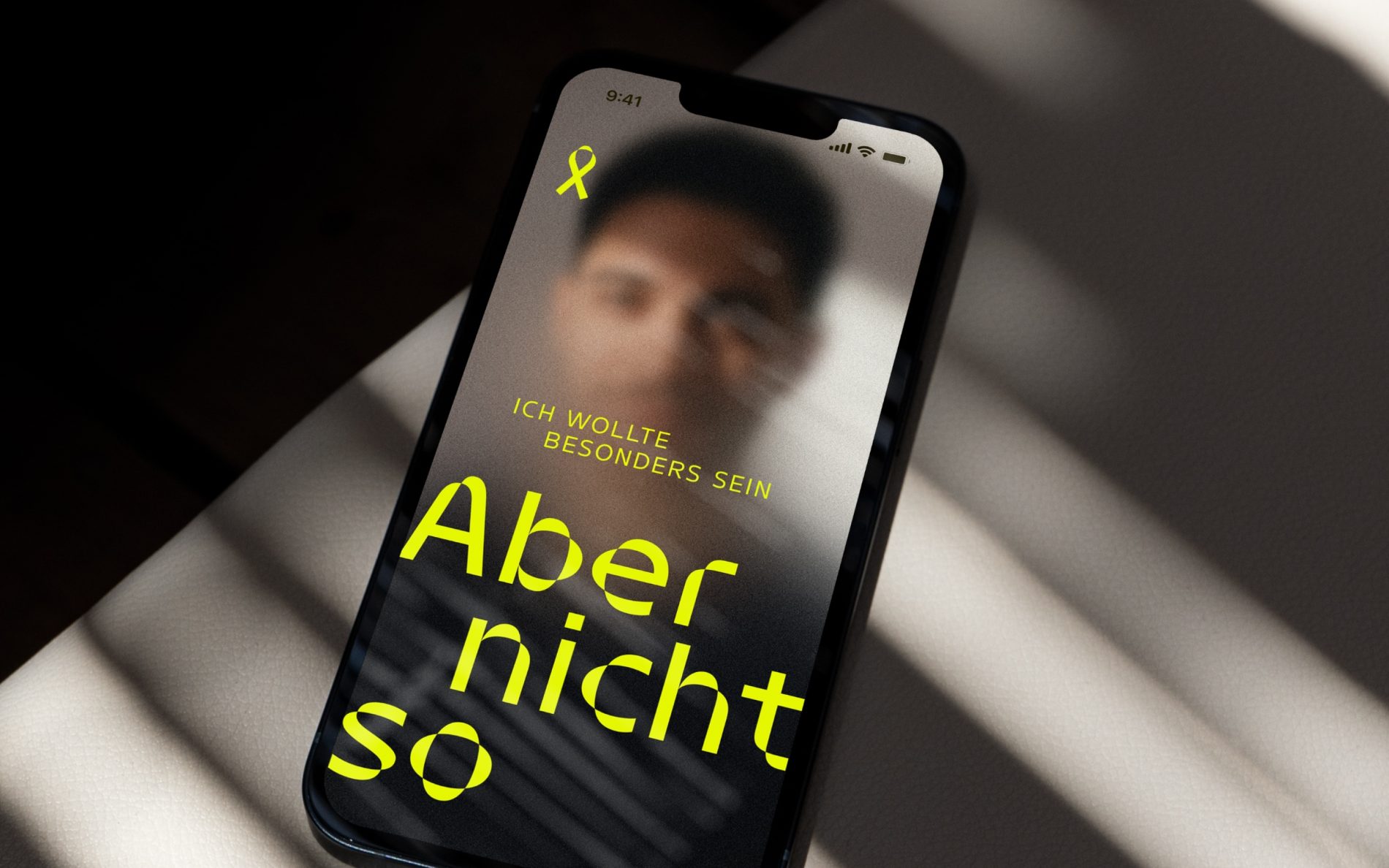
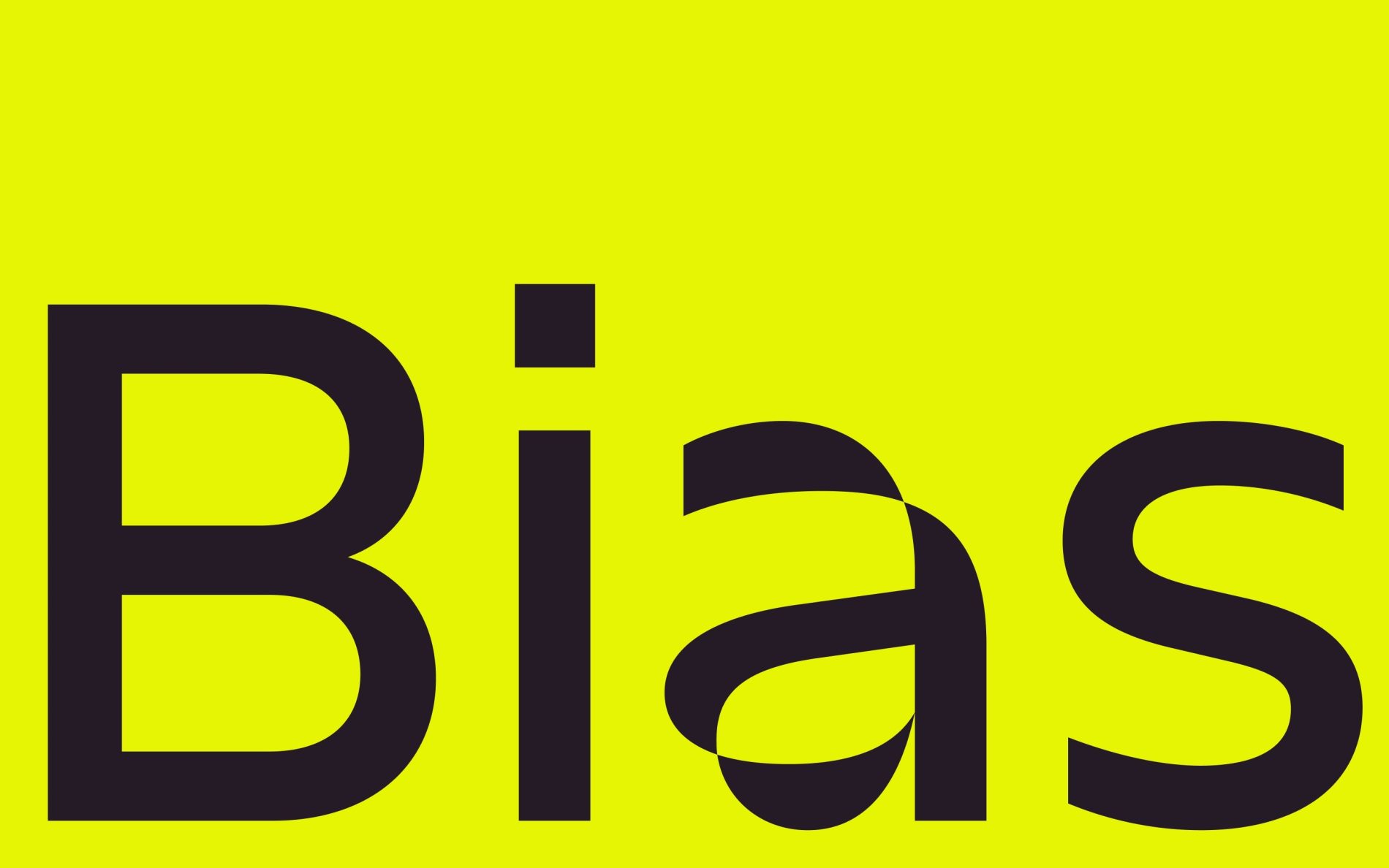
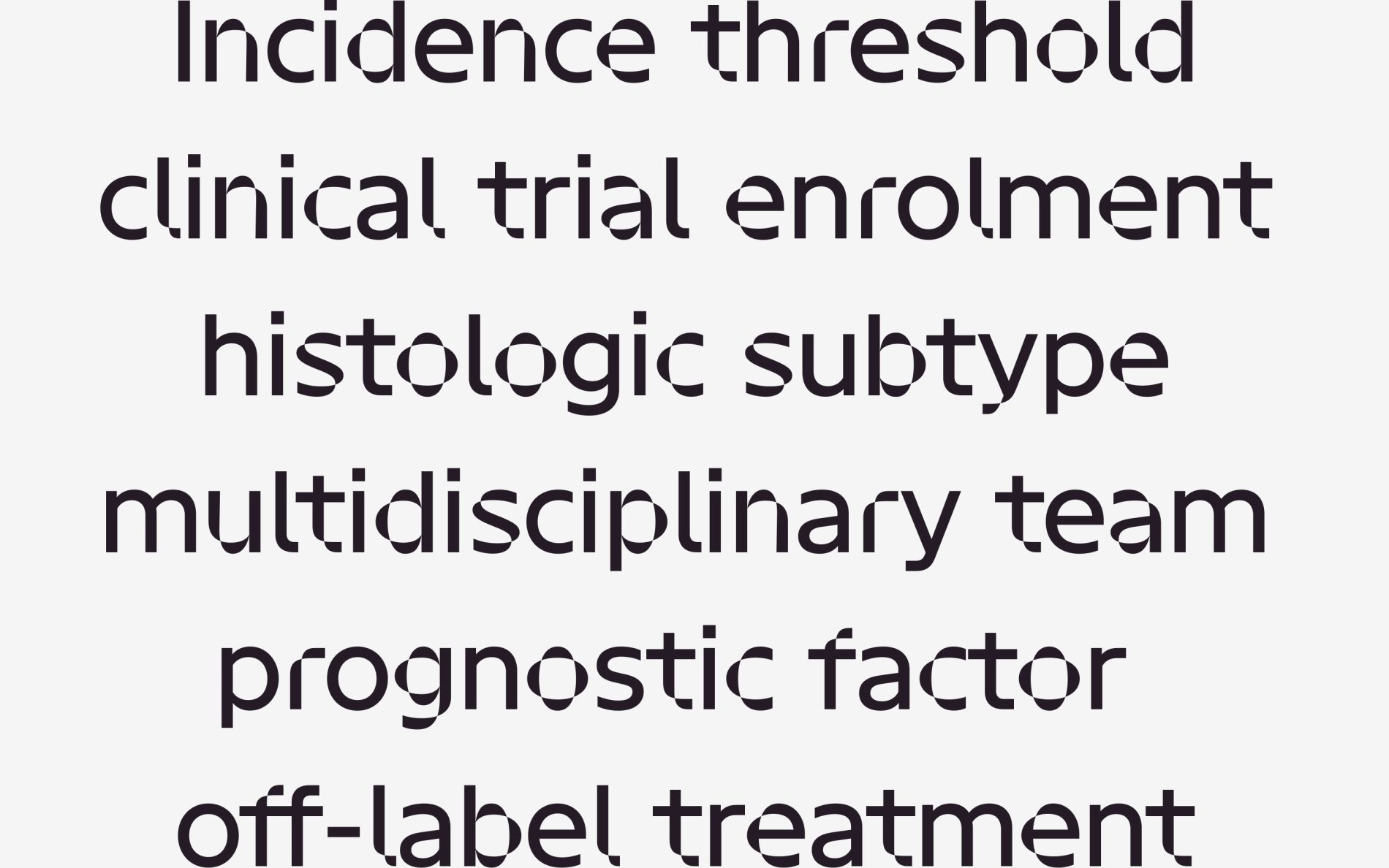
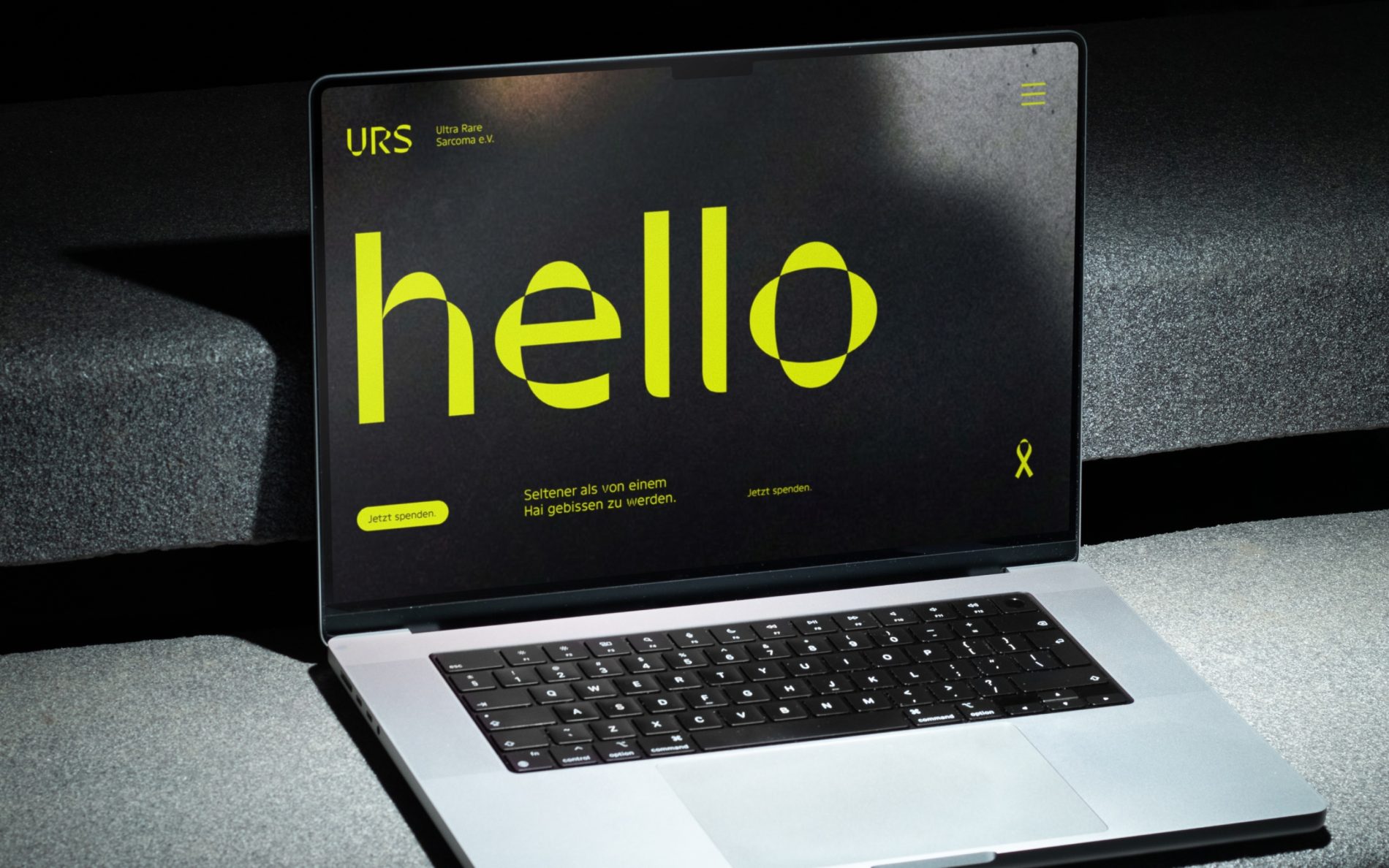
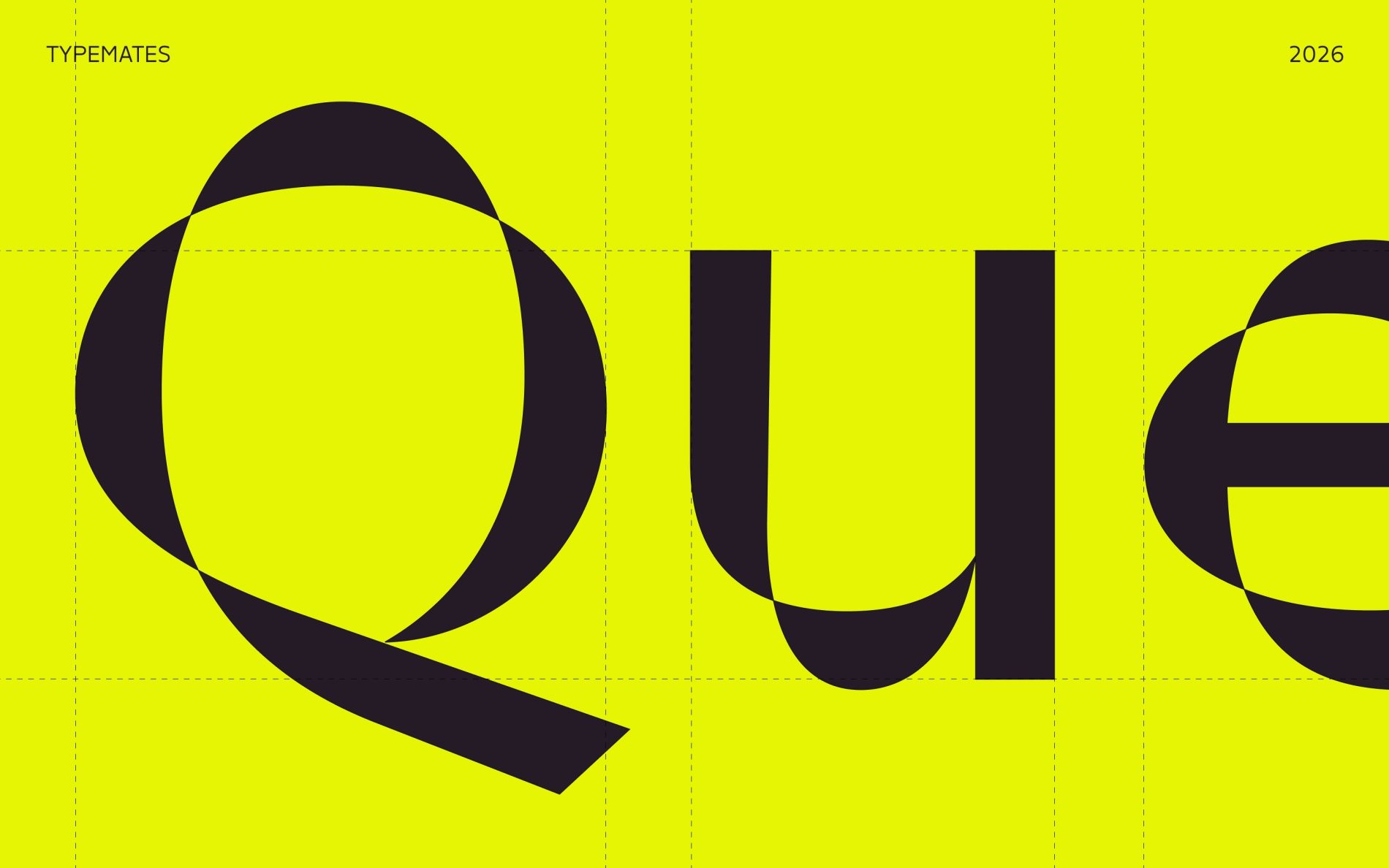
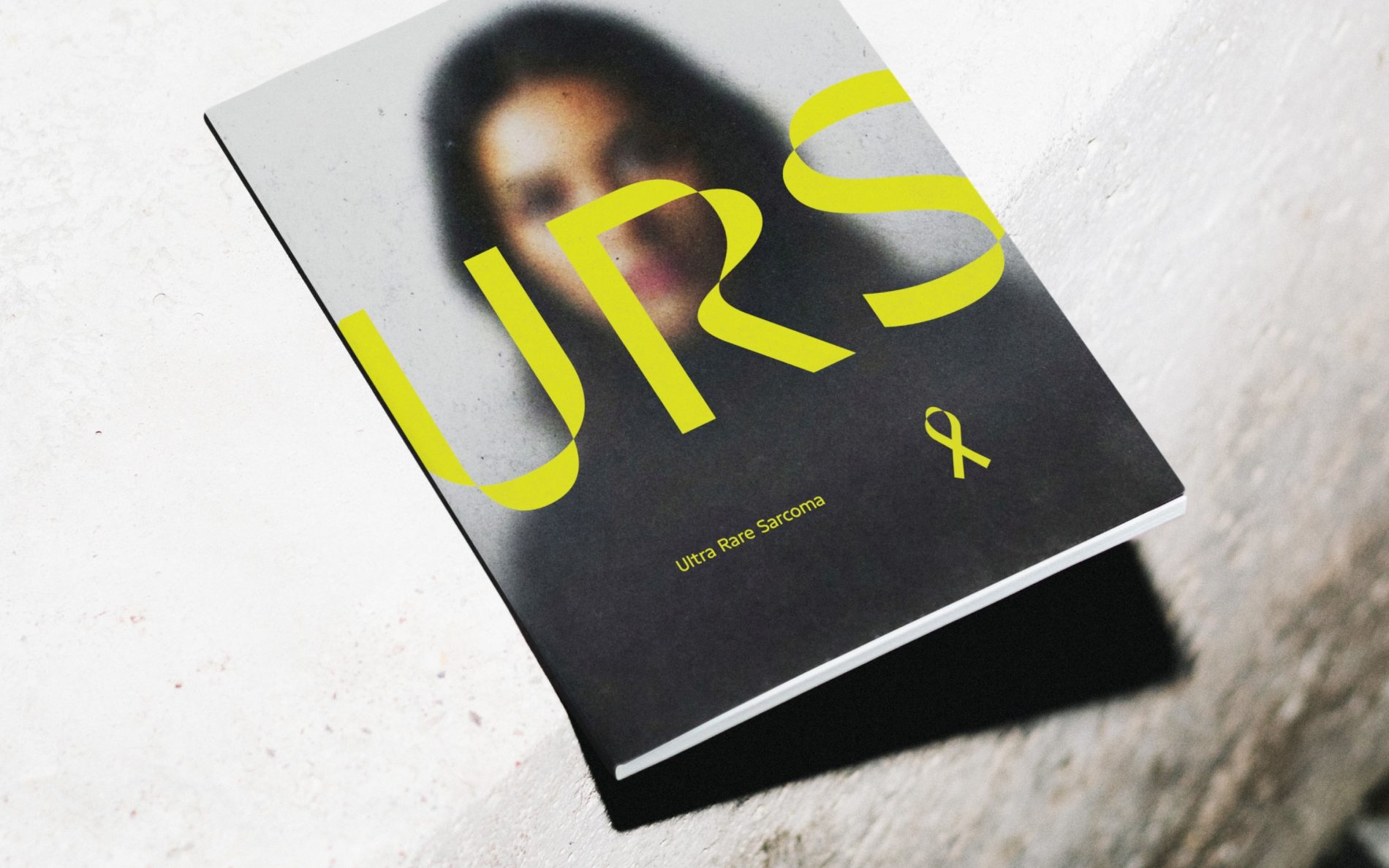
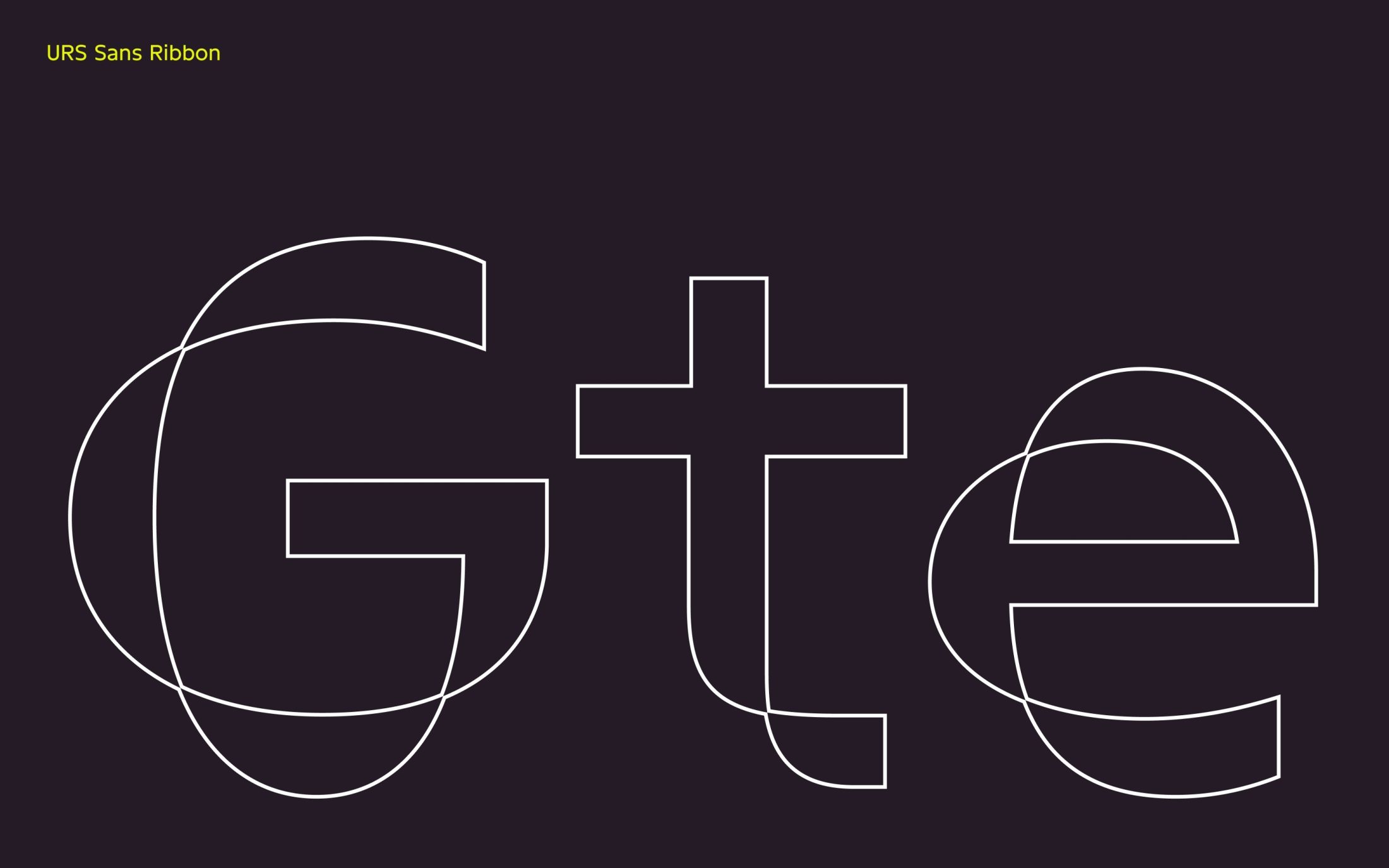
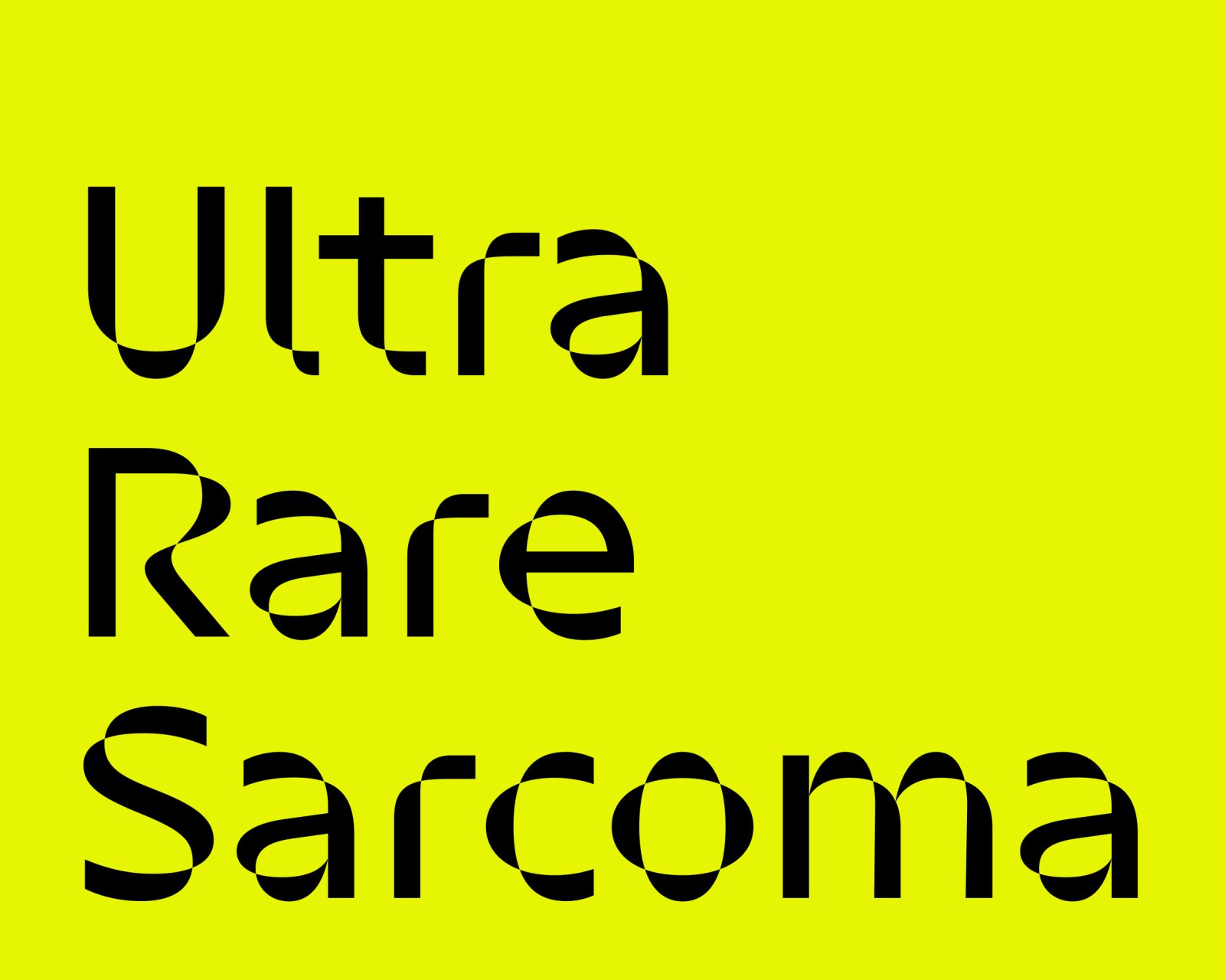
Core Concept: The typeface consists of curves that twist from the inside out, inspired by the appearance of a folded ribbon. The result is an experimental and unusual look that achieves the desired eye-catching effect.
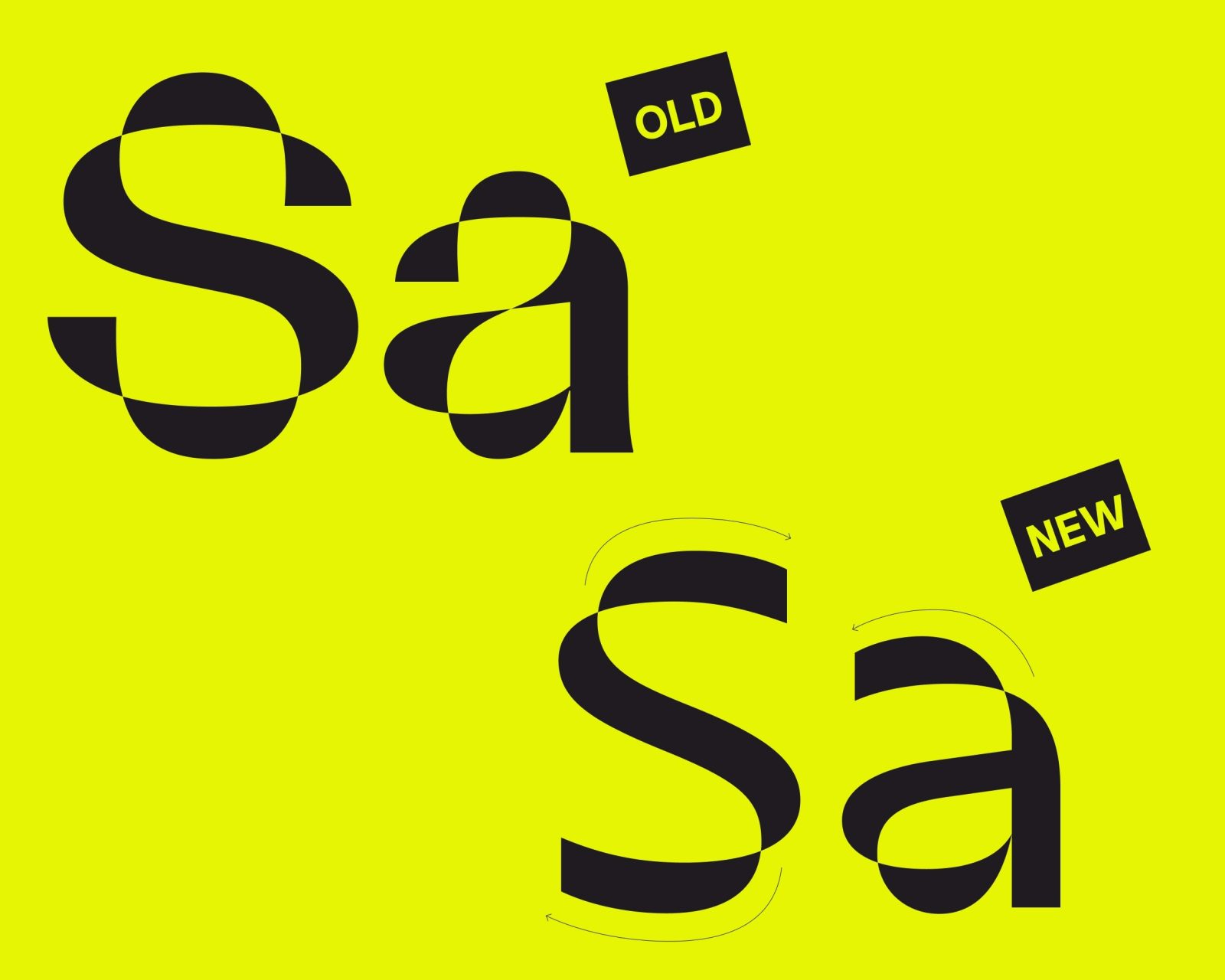
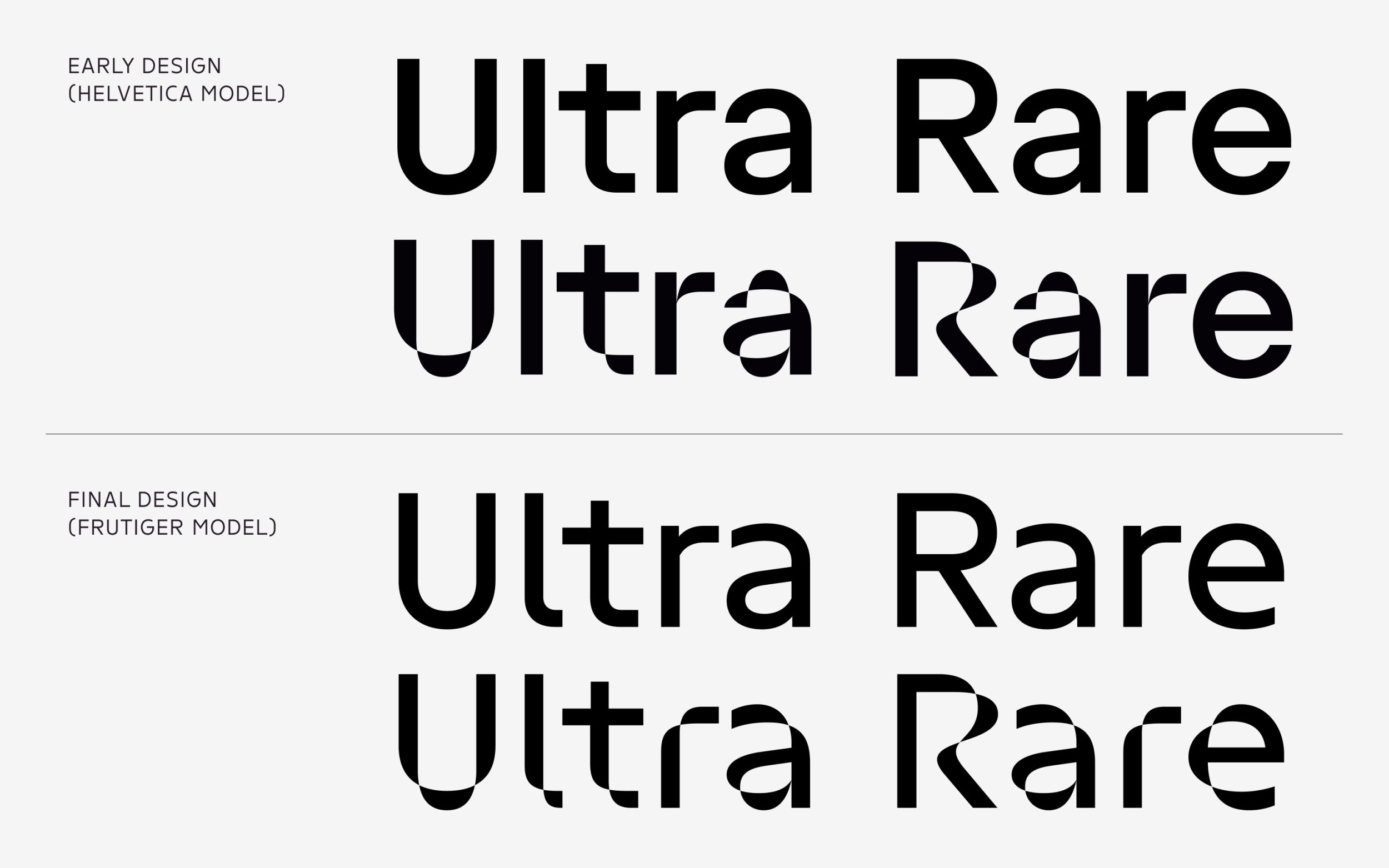
Game Changer: The original intention was to use a simple, static design as the basis, as opposed to the expressive alternatives with a loop-like appearance. However, this approach made the expressive characters appear too fragmented, so a dynamic, intuitive design was chosen instead.
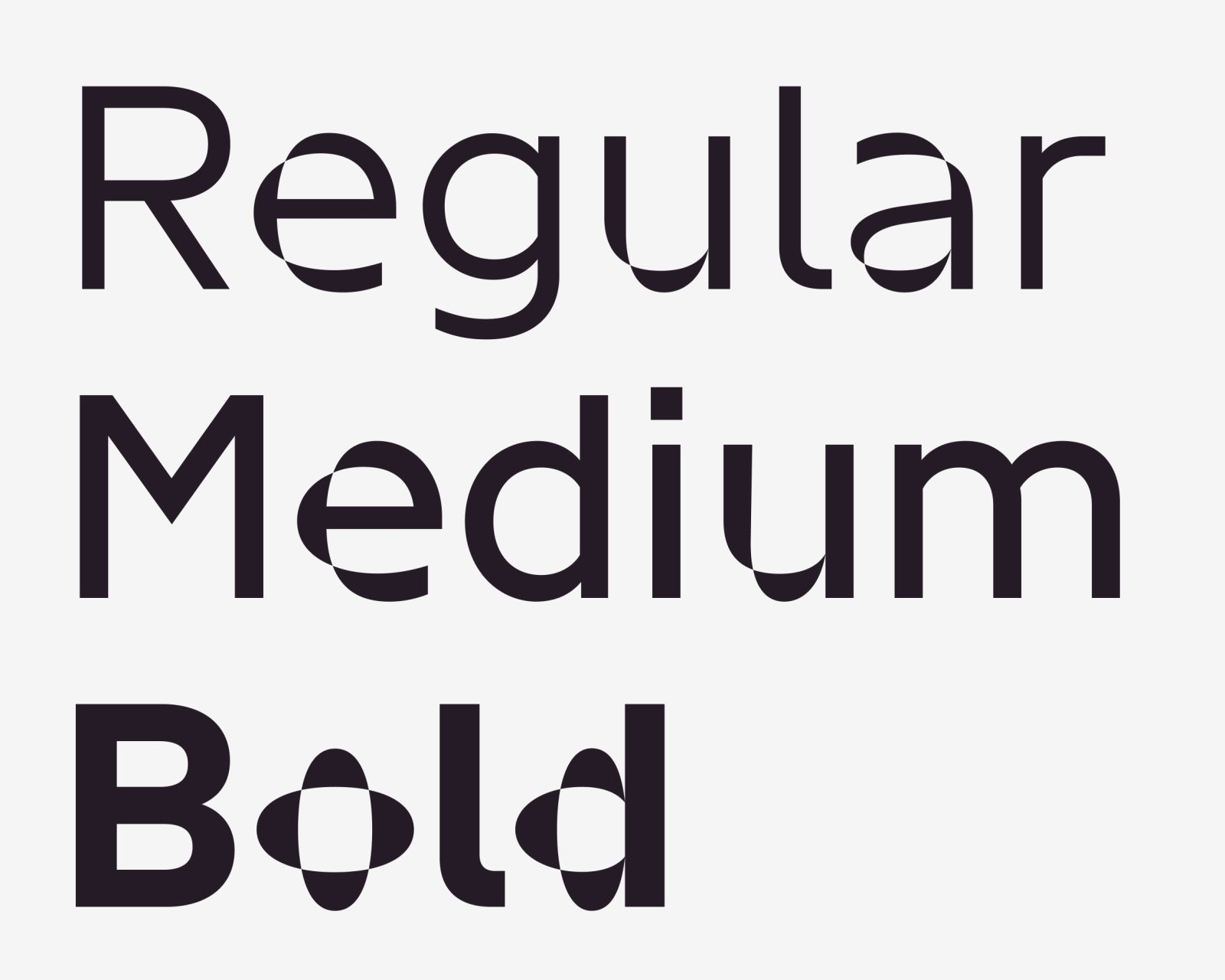
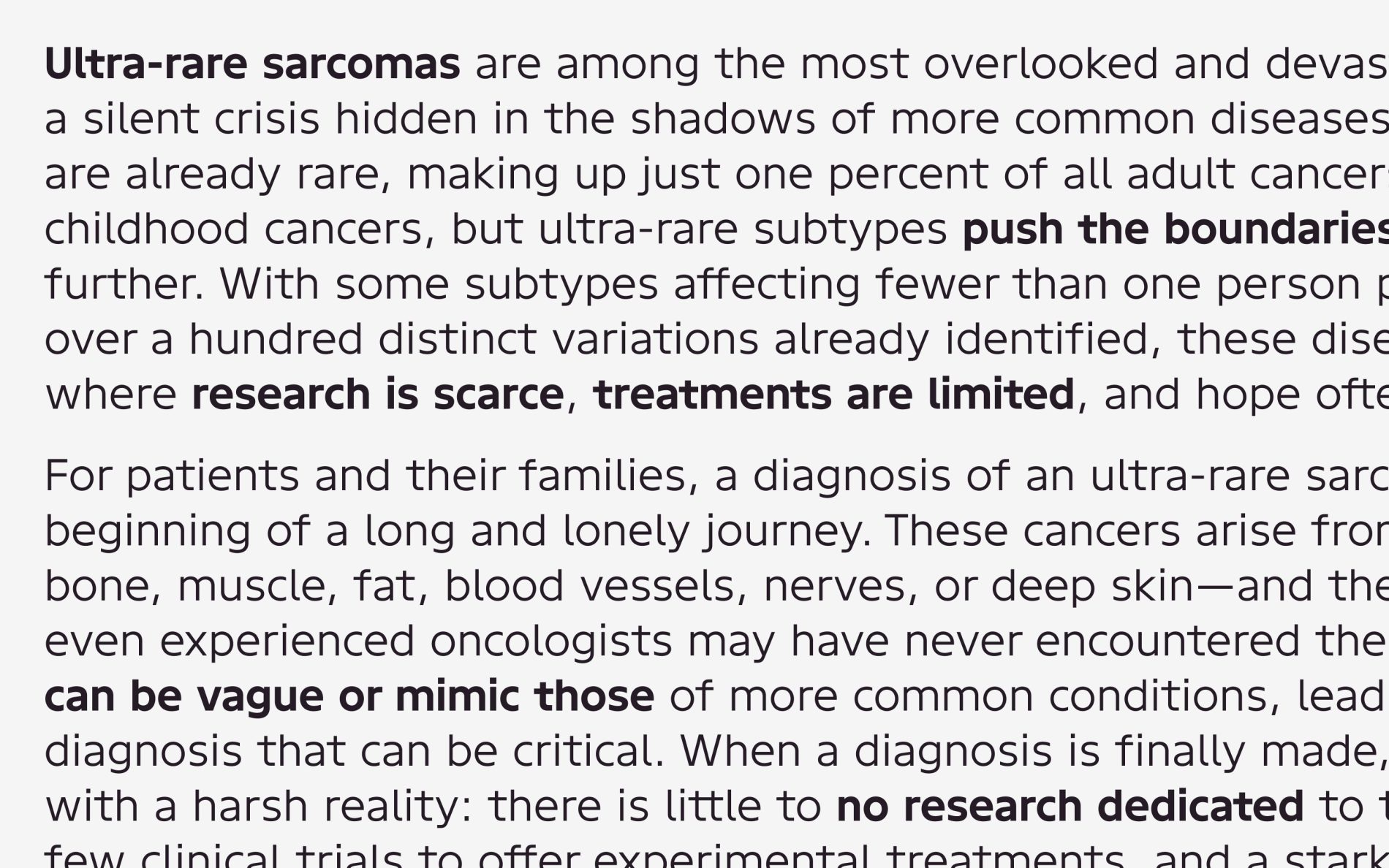
Type System: The typography is based on a simple, accessible sans-serif font for body text. Alternative characters with a loop effect complement this, drawing maximum attention to this rare form of cancer in headlines. Alternatively, OpenType programming can automatically combine both styles to create a typeface with character and visual interest.
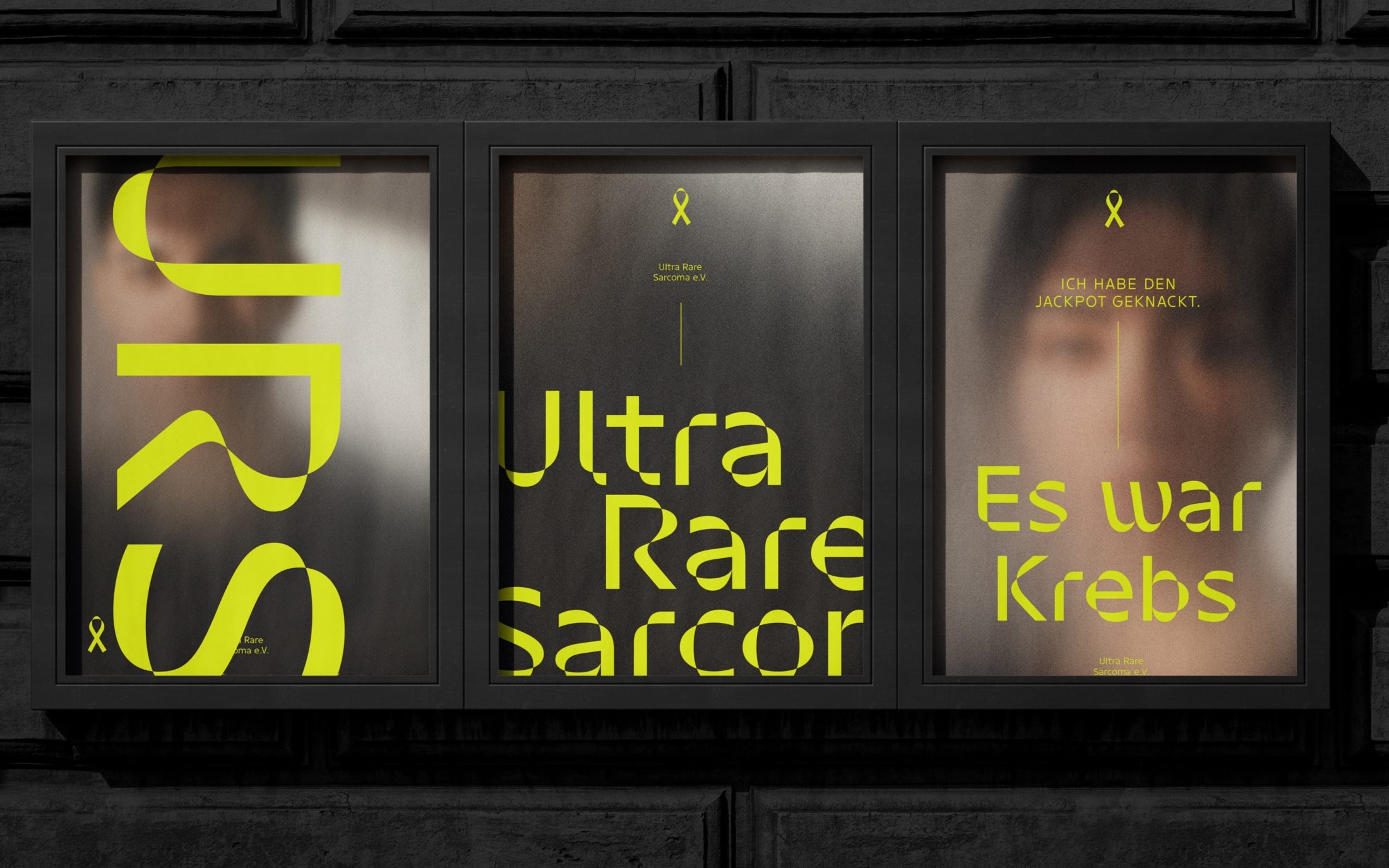
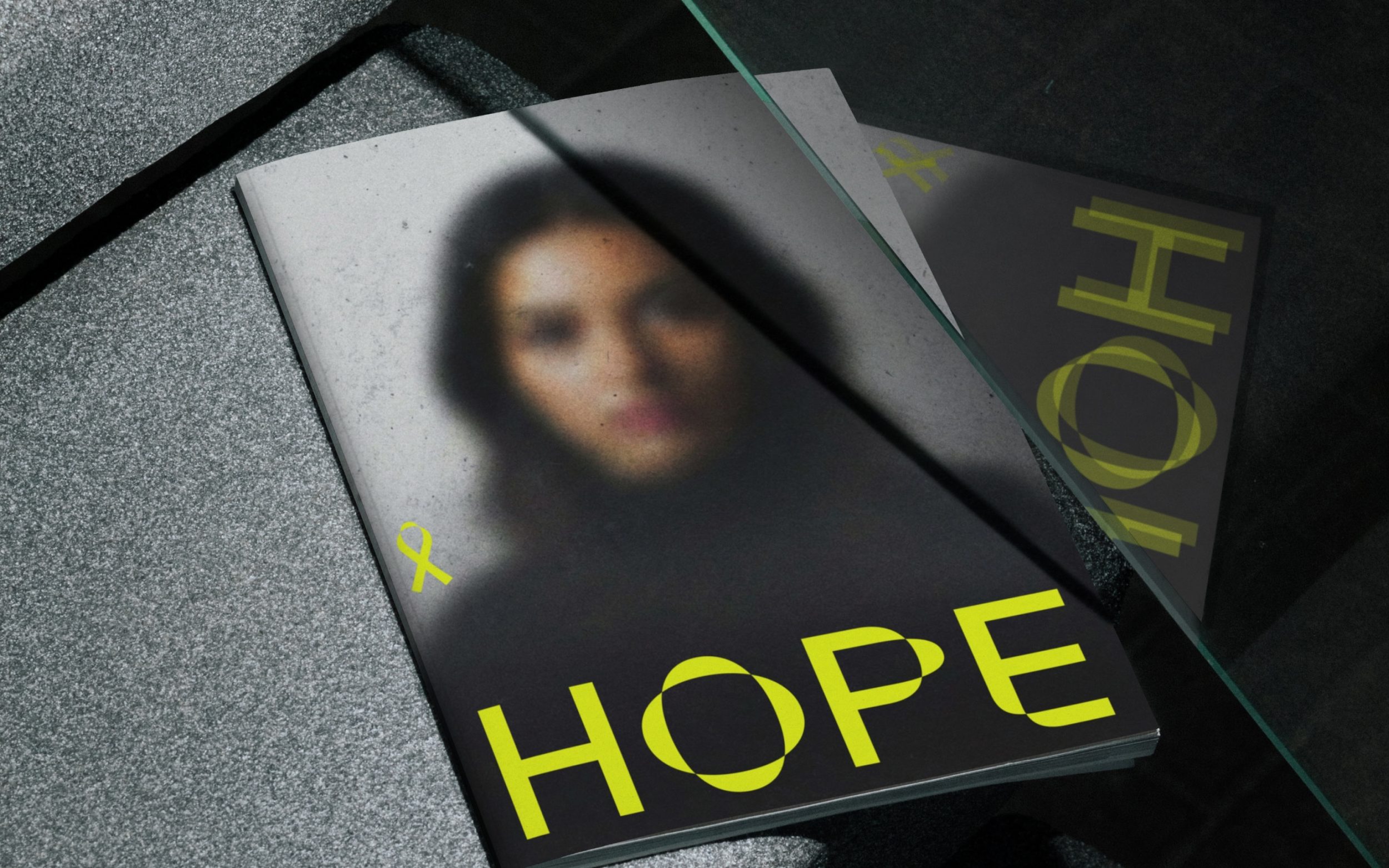
The Ultra Rare Type not only shapes the overall appearance, but also demonstrates the social relevance that can be achieved through type design.
The design received two awards at the Red Dot Design Award “Best of the Best” in the Brand Design category as well as a Red Dot Award in the Typefaces category in 2026. Also Gold in German Design Award 2027 for Excellent Communications Design Typography.